Ticket to the Moon

I recently have been learning about something called a Generative adversarial network (GAN) which basically two neural networks competing them each other, with the first creating an image and the 2nd determining whether that image is fake or not. It’s a bit more complicated than that, but that’s the general idea.

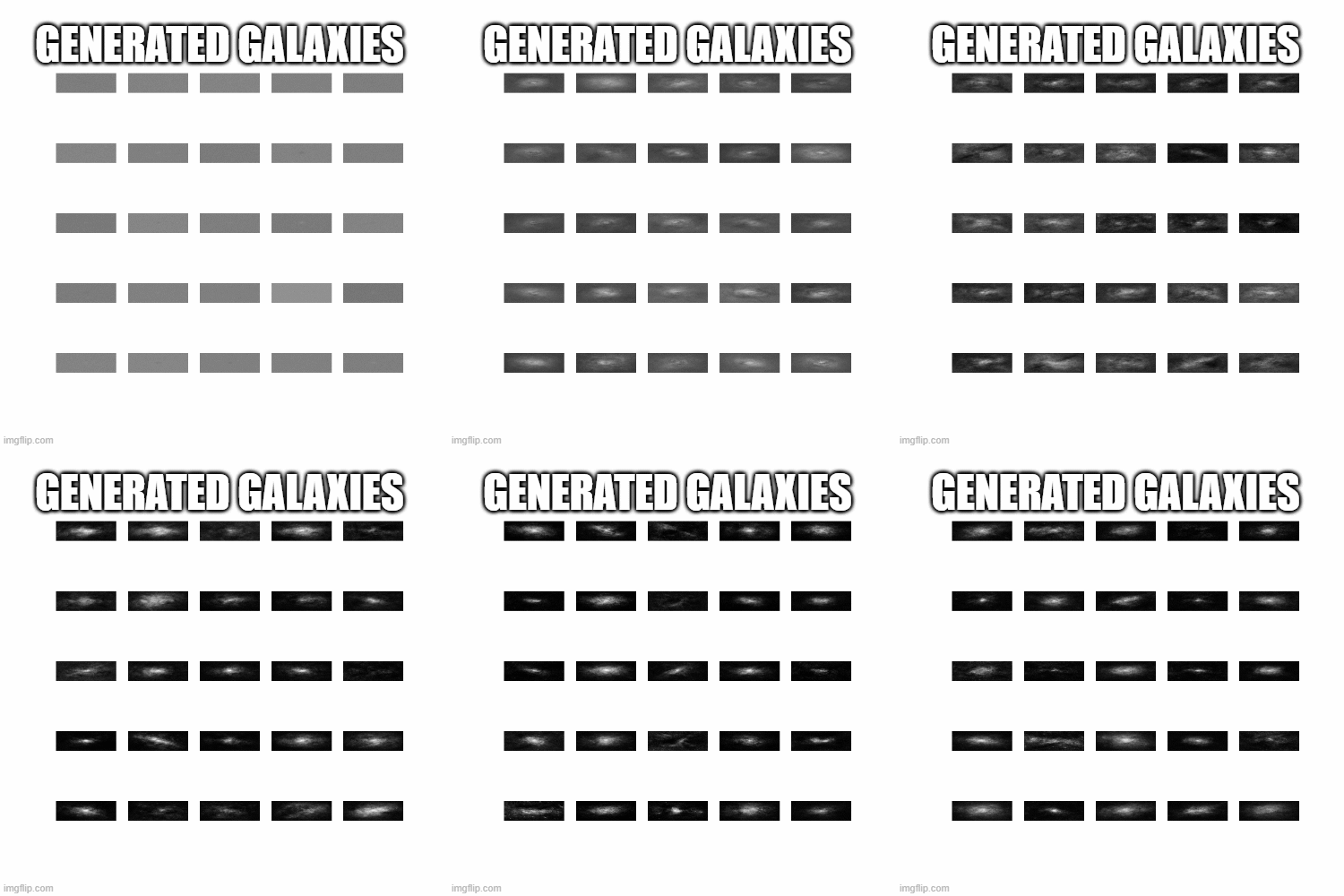
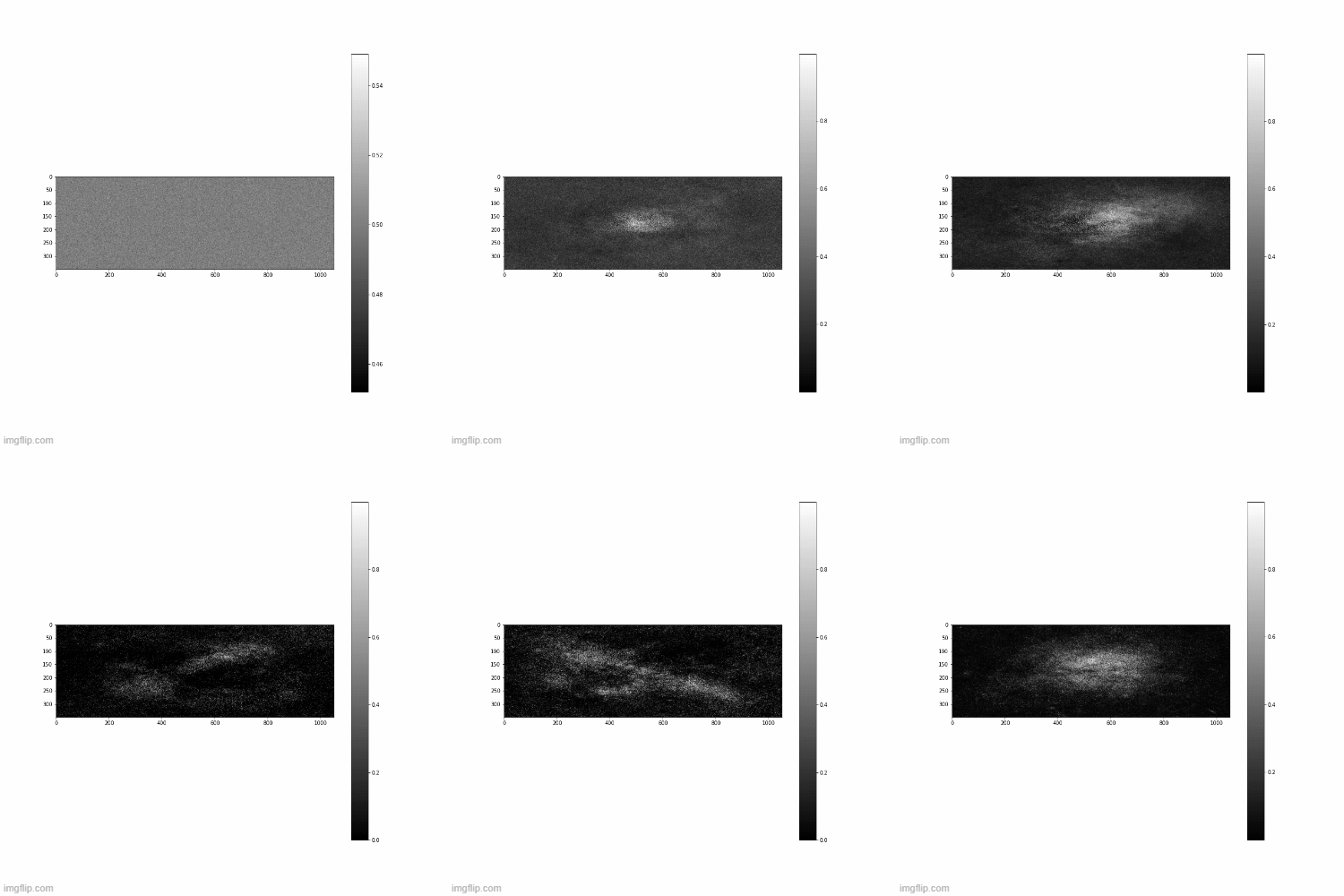
My main goal is to create a GAN for galaxies, specifically those in the Green Valley, which is the type of galaxy that I like the most. I have tried making my own images of galaxies but there is still lots of room for improvement, shown below. Though I have to admit this progress is acceptable. It LOOKS like it could be a high redshift galaxy, so that part is realistic. Though It would be much more amazing to recreate Hubble level images, but that may be too big of a goal. I haven’t learned all the techniques involved in create high resolution images, but I’ve started reading a book on GANS so hopefully I can learn more from it.

5d1hx4

As you can see above, the neural networks learn over time how to create convincing images of galaxies over time. This was over 12 hours of training, and it looked like I may have been plateauing. I need some more practice with something not as difficult.

Here is the link to the notebook to view

And we’re back

Hello everyone. Sorry, leave of absence. It’s been a very busy… couple of weeks? Months? Neither would surprise me at this point.

So a pretty majorish thing happened the last week. I was talking to my advisor over the summer and I asked him for some advice about Grad school and whether that was a realistic option for me. Some context first….

I love Astronomy and I’m pretty good at it. There was one semester where I took 4(?) Astronomy classes and a math class and I did really good in them. On tests I was usually setting the curve. So you can imagine my disappointment when I didn’t get an A 😞. Anyway, during that semester, I was in the zone, even though I was working 5 days a week. I had a routine where I would work from 7 – 2, and then go to school to study and do homework and hang out with all the other nerds in the Astronomy department. Well the rest of my schooling did NOT look like that. I took classes that I didn’t really care about and I didn’t focus on school as much as I should have. I literally got a 2.63 GPA because I took a bunch of classes I didn’t care about (oceanology) or took on too many classes. In my last semester, I took 6 classes, plus my senior thesis AND getting a presentation ready for AAS. It was not a very pleasant last semester to say the least.

Anyway I hinted to my advisor that I MAY not have been the best student, and if there were any realistic options for me if I decided to get a higher degree. Well, it turns out there’s this wonderful program out there could the bridge program, and its supposed to basically get you admitted to a Masters program, where you would then get mentoring and kind of coached into how to do a PhD program.

Honestly, if there’s anything I need, it’s that coaching and mentoring. I’ve already looked into the sites and some of the faculty at those sites and it looks very promising. So I’ll keep you up to date on that search and what not.

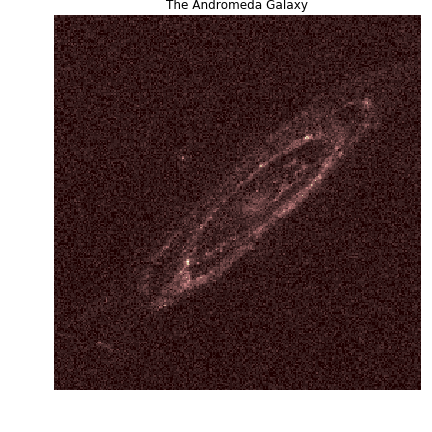
Thanks for listening and coming to my TED Talk. Oh and just for the sake of pretty pictures and actually doing something Astronomy related, here is an rough draft of an image I made with GAIA data of M31.

Stroke of a Flower

It’s been a while since I’ve written. I saw that someone from Australia read one of my blog posts and downloaded by CMD plots notebook. I didn’t think anyone actually reads these. The latest code I was working on involve writing code to visualize the impact of COVID-19. This was probably around the beginning of March, and to be honest, I viewed the whole pandemic as something abstract. It certainly isn’t abstract anymore.

This post will be more about my personal life, which I don’t really like to talk about much, but lately, I have felt the need to express myself, and I like to put my thoughts into words where it’s organized and doesn’t come off as a jumbled mess. Or maybe it does. Anyway.

I work at a retirement home and it’s been stressful. There is lots of anxiety and seriousness. During a meeting, as I looked around, I had the sudden realization that the people present were the ones taking care of the lives of the residents. This has always been true, but in that moment, I felt a lot of pressure and responsibility. I still do.

So much has happened lately, to the closing of restaurants, bars, events and public places; to the severe drop in the stock market and talk of trillion dollar relief stimulus packages in an attempt to preserve our way of life. It might sound dramatic, but it may be the truth. Maybe in my next few posts, I’ll talk about the current valuations of companies, since I think that’s a fun thing to do.

Lately though, I’ve been writing a lot of poetry. Which may sound a bit strange, or at least to me. I’m an Astronomer, and love learning about the universe, specifically galaxies and cosmology. Seemingly, science is about numbers and facts. Pure logic with no room for emotions. An ignorant me of the past would have even went as far as to place far more importance on science over art. To me, you had to be one or the other. You simply couldn’t do both.

However, I recently met someone that showed me that art is unique, that it is an expression of who you are and anyone can do it. That same person inspired me to become a better version of myself. I don’t have to force myself to do scientific research when my mind isn’t up to it. That it’s not a waste of time to pursue artistic endeavors, that it can be combined with scientific results to create something new. I am now on the pursuit of artistic and intellectual endeavors. And with that, I’ll drop a poem I have been working on. I liked the ending, but the beginning could use some work. Stay safe out there everyone.

Stroke of a flower
I only know of one life
Light
Life around helps me
grow.
Through the cost of their own.

Shining radiatingly slow.
In every direction.
Natural flow,
at my discretion.

No problems, just
a search for nitrodust.
My shine is loved by all
By those who don't know
My most deepest intentions.

To live is to start a timer,
from birth into dust.
To steal from the Earth,
Or shall I say take?

Many will come like me
for the stroke of a flower 
is characteristingly unburdened 
Accept. Become a flower.
Turn to dust,
to become everlasting.
Working with Hubble Space Telescope (HST) Data

Lately I’ve been reading a paper about large clusters of galaxies “located” far back into a younger universe, at a redshift of z ≈1.27. This means that when the light first left the galaxy cluster, the universe was half it’s size, at least if I’m remembering it correctly. Cosmology is weird.

So basically, this paper looks at two different clusters, and then basically applies a evolutionary model to see how it would look today, compared to similar galaxy clusters located at smaller redshifts. That’s the gist of the paper, I think. The devil is always in the details though. The first thing I wanted to do is work with some data. And then I can reread parts of the paper and the appendix and try to piece together what’s going on.

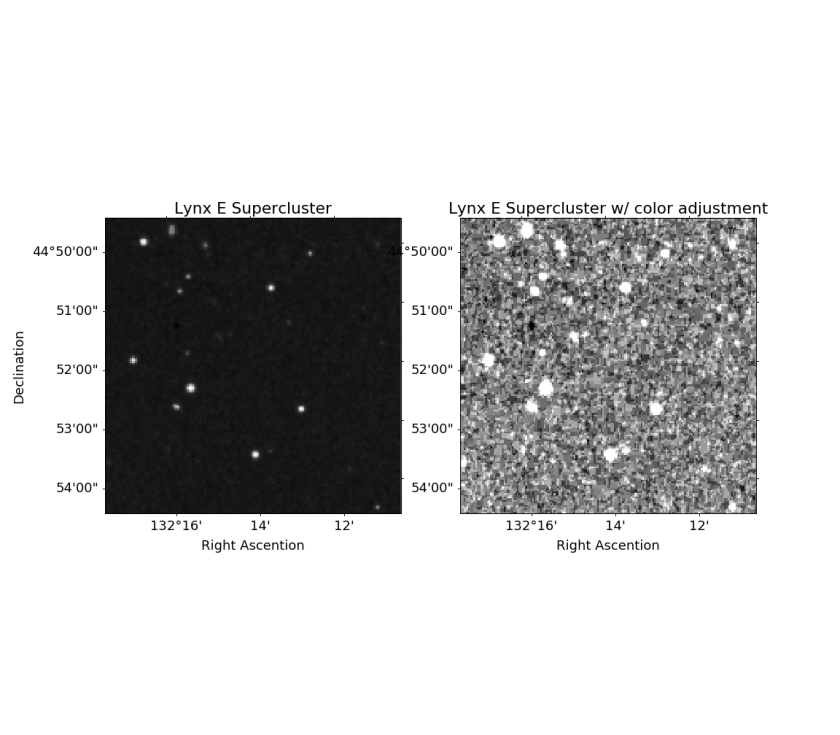
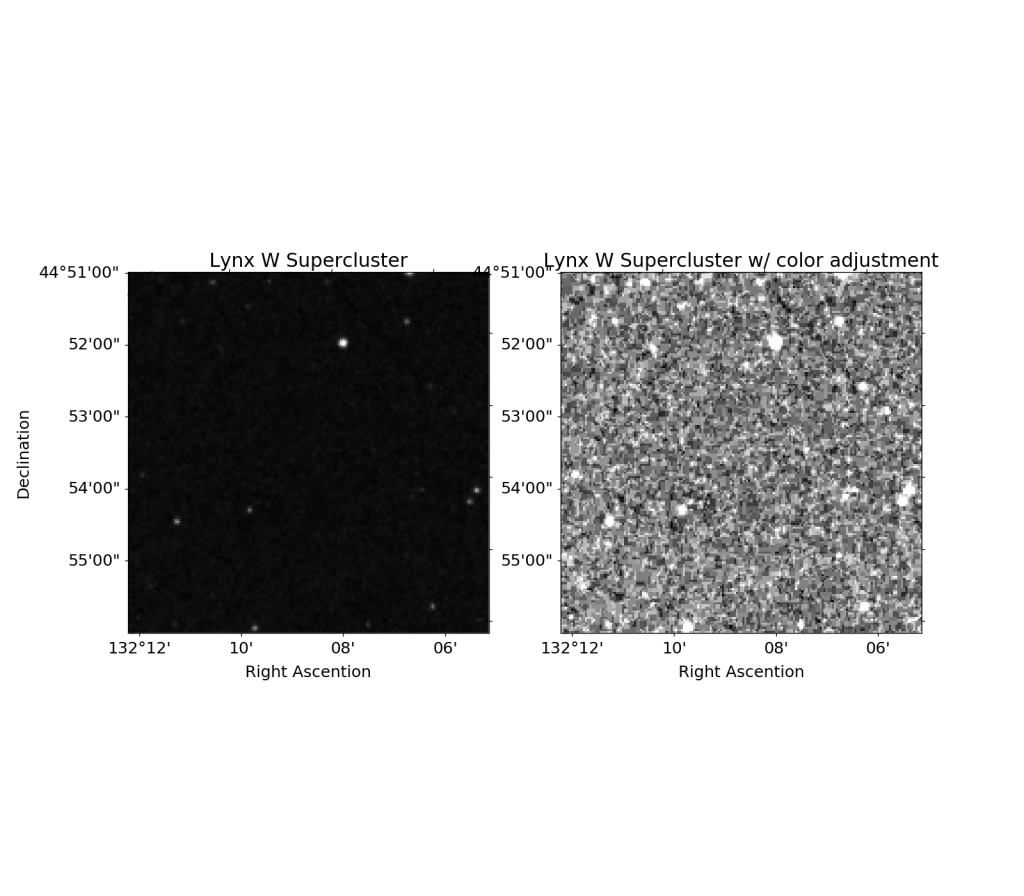
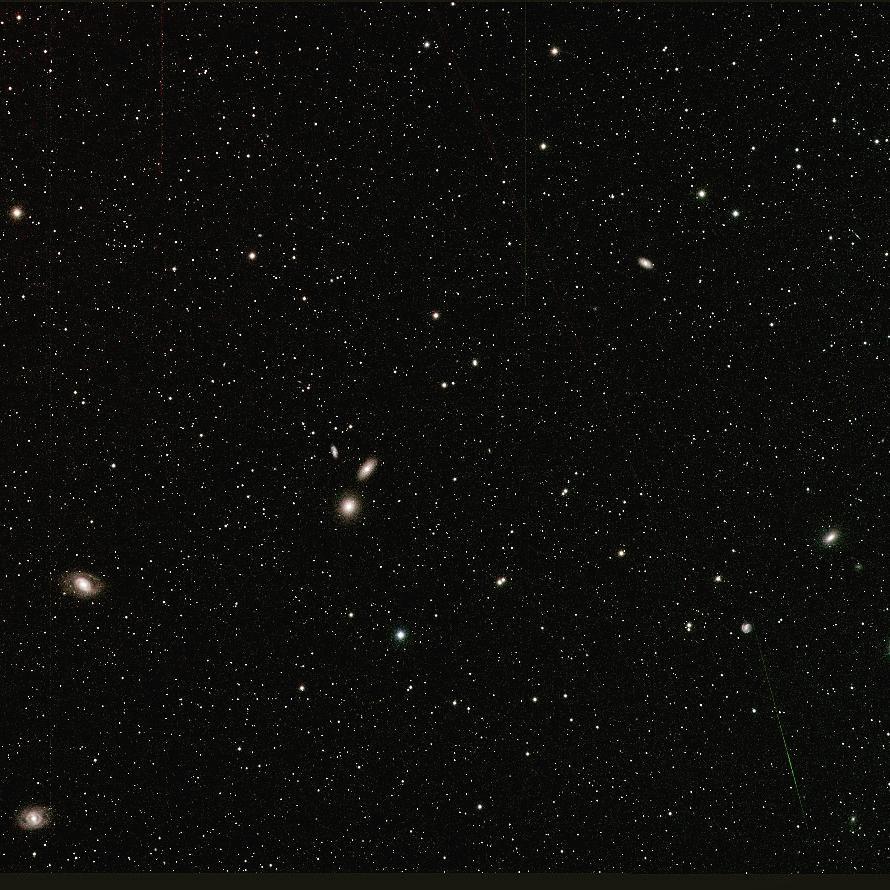
I found a FITS file on NASA/IPAC Extragalactic Database (NED) containing one of the two galaxy clusters the study was looking at, Lynx E. I was able to make some pretty good looking pictures from the data, and show two pictures below with the more “grainy” picture on the right being a different color scale. This is useful because it reveals more galaxies then there would have been before.

I’m going to try something different. It took me a while to create these plots by hand, because I had to visually look at a histogram, and sort of “guess” the color scale. I’m going to try to automate this by writing something called a “script”. There’s a task I want to get done, so I run a script to get the task done. Usually it’s done on tasks that are repeatable. I want to create the same plots by for Lynx W instead of Lynx E.

Both of Images of Galaxy cluster Lynx W

So the script ended up working out. In the terminal, you just have to run it using the python command, and it asks for a fits file path name. It should work on all fits files, but I’ve only tested it on HST data. It’s a little messy, like on the y-axis, but it can be improved on fairly quickly.

In my next post, I’m going to talk a little bit about Gaussians since they keep showing up, unsurprisingly. I’ll also see if I can get my hands on those evolutionary models or tracks. Maybe that’s not even a thing, but I won’t know until I read a little bit more.

Creating a ¿CMD?

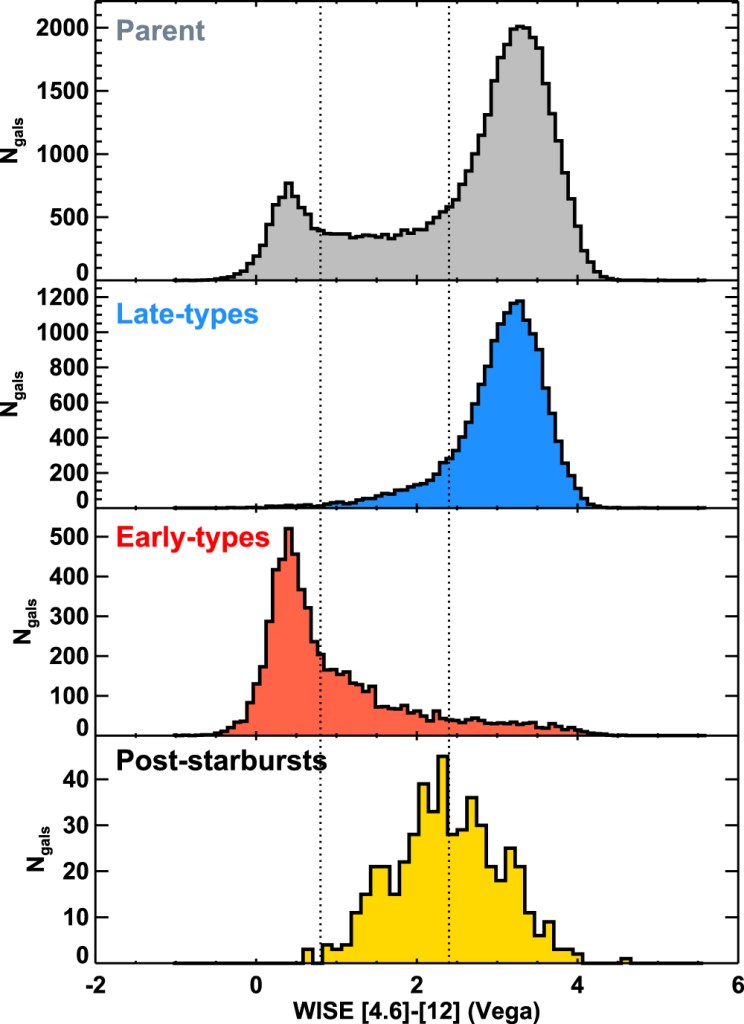
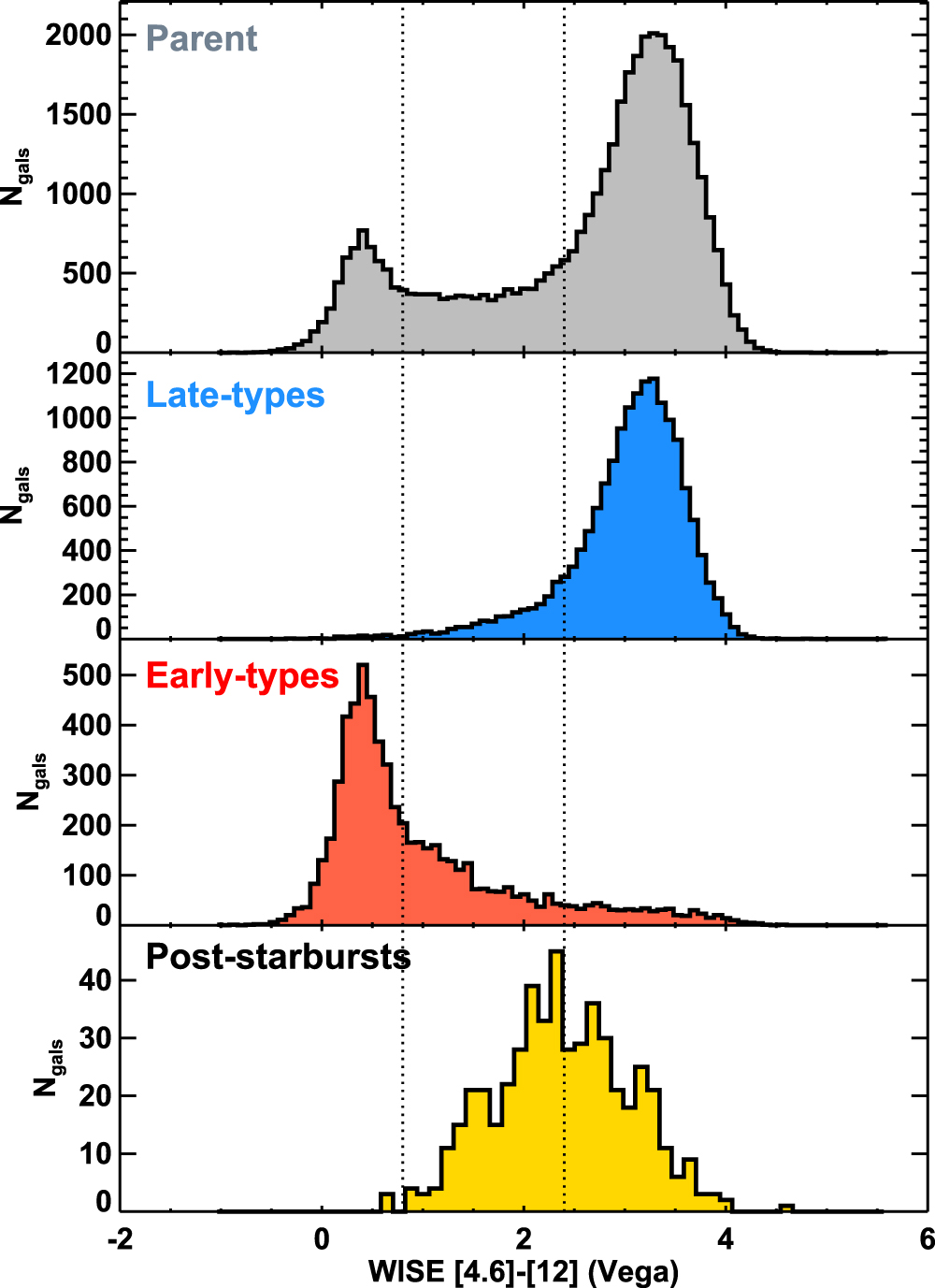
In my last post, I showed a diagram and mistankingly called it a CMD. It does have color on the x-axis, but the y-axis is the number of galaxies. So this is a histogram. Which makes doing this plot going to be a bit simpler than I thought. Making it pretty and readable is the hard part. So the color is from the Wide-field Infrared Survey Explorer (WISE:  Wright et al. 2010). 


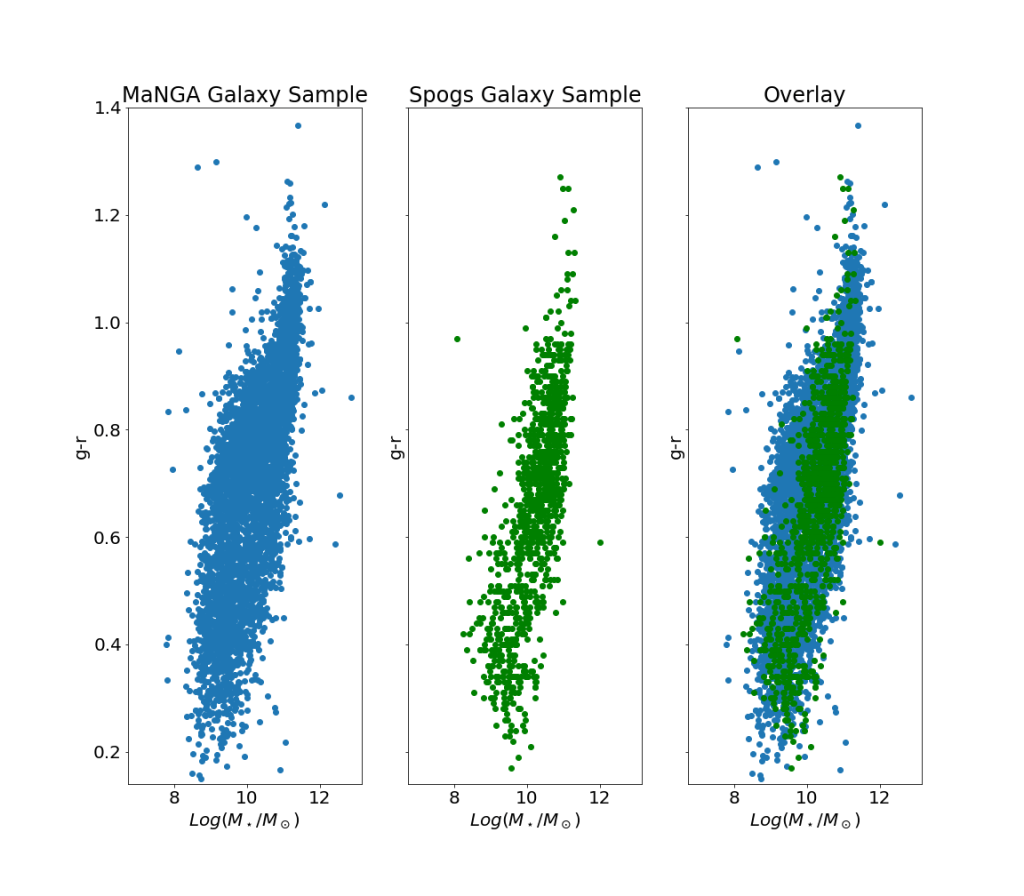
So it turns out that the color data I grabbed was SDSS data, and not from WISE. I was a bit lazy so I decided to just make CMD instead with the MaNGA data and the SPOGS data. The plots actually turned out decently well. 

Far Left: All Galaxies in MaNGA survery. Center: All galaxies that are post-starburst candidates. Right: Both sample overlayed, showing SPOG in green and MaNGA in blue.

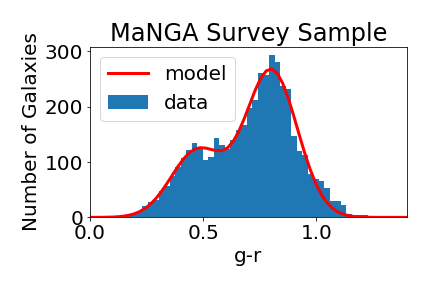
The plot above shows a relationship between a galaxies mass and it’s color. Another way of saying this is as galaxies become more massive, they appear more optically red. The above plot doesn’t do a good job of categorizing the galaxies. It turns out that if we plot the colors of  galaxies and the number observed, a bimodality (2 separate groups) appears. The two groups of galaxies are Spirals and Ellipticals, and galaxies that are transitioning from one to the other are considered to be in the green valley.

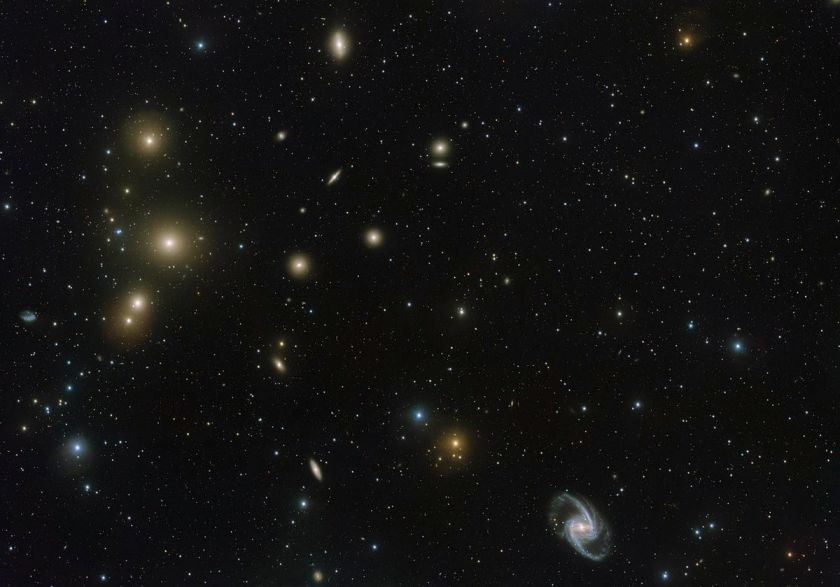
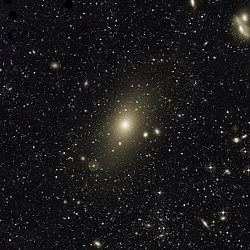
First, I just want to point out how insane it is to be able to directly image a supermassive black hole in the center of that. You can’t even resolve each individual star. At least not without high precision instruments. 

Anyway, so my idea was to create histograms for SPOGS and MaNGA. I was able to make histograms for both, with the MaNGA histogram showing two distinct groups. I decided to model this using two gaussians, which is kind of like an equation describing a probability. Each “peak” of the gaussian would be where the highest number of galaxies in each group is found. So I took the data, gave the computer some guess parameters, and got the best fit of the histogram, shown below. 

MaNGA_hist

Unfortunately, the fit failed when using the SPOGS data. It was annoying initially, but the SPOGS data is supposed to be candidates of Poststarburst galaxies, so it wouldn’t make sense for there to be two groups, since SPOGS is “supposed” to be transitional galaxies. Not bad for a first attempt, but I have an idea.

I want to cross reference the two sets of data; find which galaxies in SPOG were observed in MaNGA. I want to do this because MaNGA is an integral field survey. Instead of taking the light spectra at a singular spot on a galaxy, multiple plates “cover” each galaxy, and the spectra of the light from each plate is taken. This gives a more complete picture of what’s going on throughout the galaxy, which could be helpful in determining the properties of Poststarburst galaxies.

If anyone is interested in seeing the Juypter notebook where all the code is written:

CMD_plots

It’s a Start

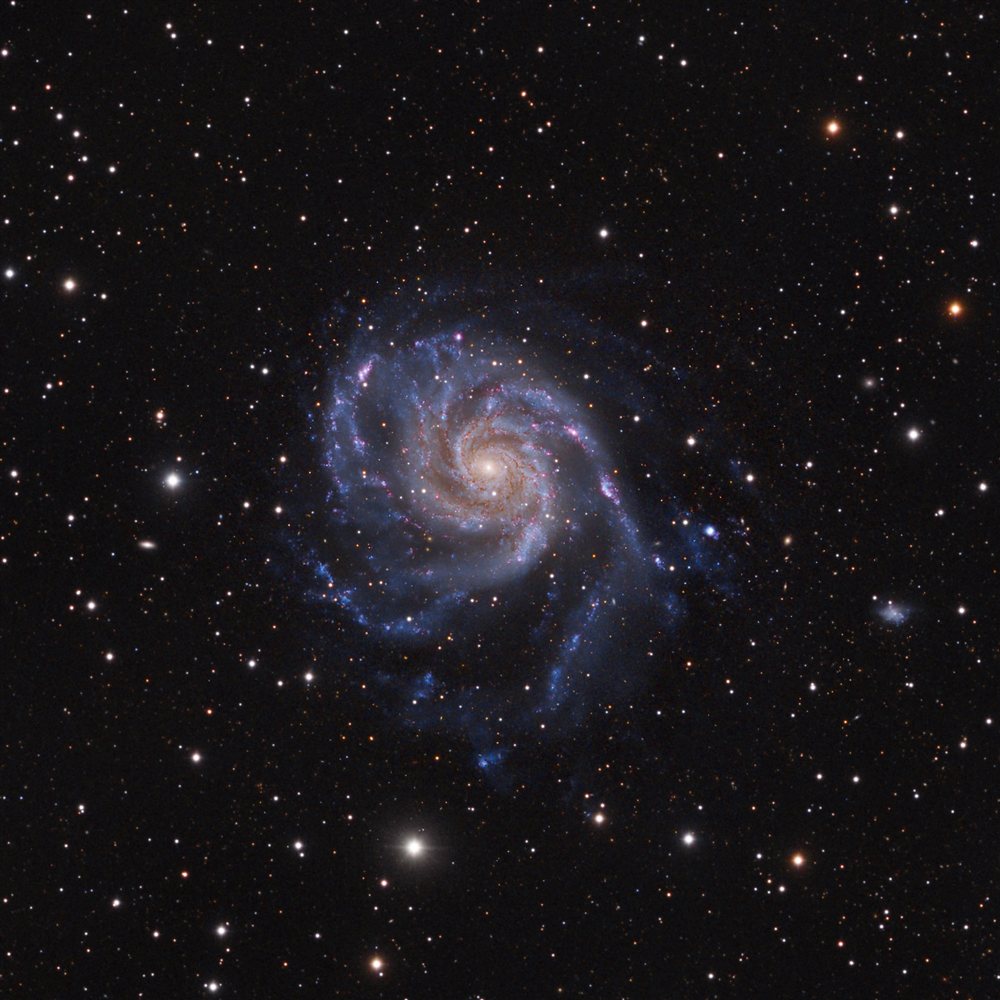
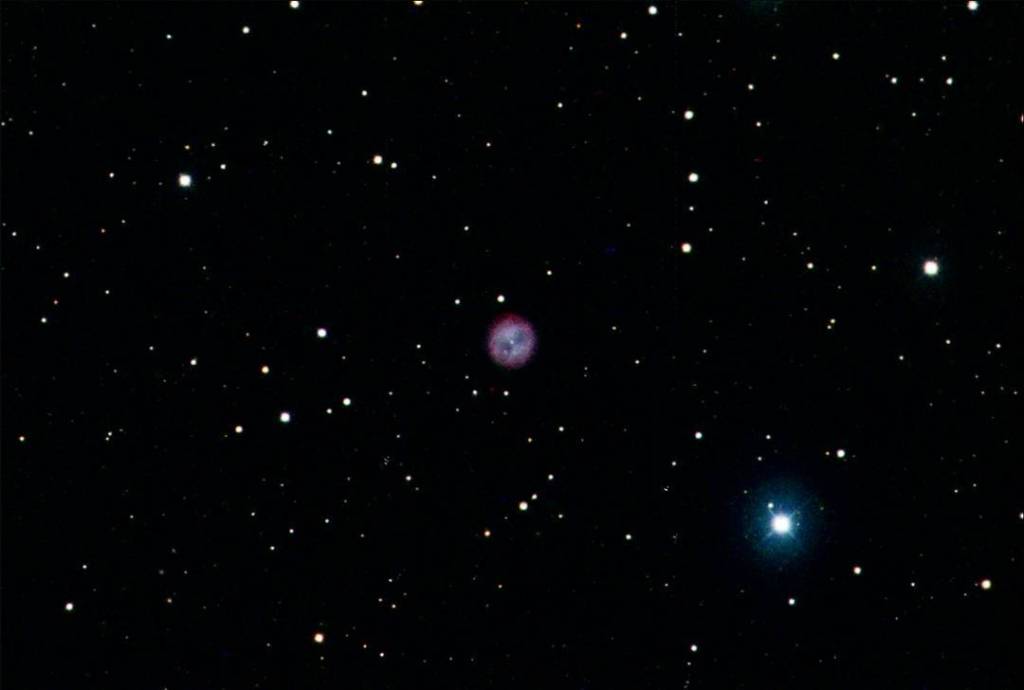
A couple years ago, I started an astrophotography Instagram page. I took some really nice pictures of some planetary nebula and galaxies/galaxy clusters. But I found out that it’s kind of expensive (especially if you’re using remote observatories) and I wasn’t really into it. I’m also more interested in doing research in Astronomy and not Astrophotography, so I decided to make a blog talking about topics in Astronomy that I am interested in.

I recently applied to work at the Space Telescope Science Institute (STScI) as a Science Support Analyst. I was looking at all the missions and projects and saw a mission that looked at Starburst galaxies called The Shocked POststarburst Galaxy Survey (SPOGS). Starburst galaxies are galaxies which show tremendous star formation, much more than what is considered “normal”. Learning more about this type of galaxy and what causes this phenomena could potentially be the next step in understanding galaxy evolution. I am really hoping to be selected, since I’m interested in green valley galaxies which are galaxies like Andromeda that lie in-between spirals and ellipticals in Color Magnitude Diagrams (CMD) like the one below. 

I’m reading a paper from the SPOGS team and going to try to see if I can recreate some plots, specifically this one showing the types of galaxies in the survey. A more thorough explanation on that all later.

plots

I’m excited to start to share my results of research and little snippets of code I write. I also plan to add some notes on Physics and Astronomy in the future, when I find time to write the notes I have in LaTeX, which is going to be a pain in the butt! Stay tuned.