Ticket to the Moon

I recently have been learning about something called a Generative adversarial network (GAN) which basically two neural networks competing them each other, with the first creating an image and the 2nd determining whether that image is fake or not. It’s a bit more complicated than that, but that’s the general idea.

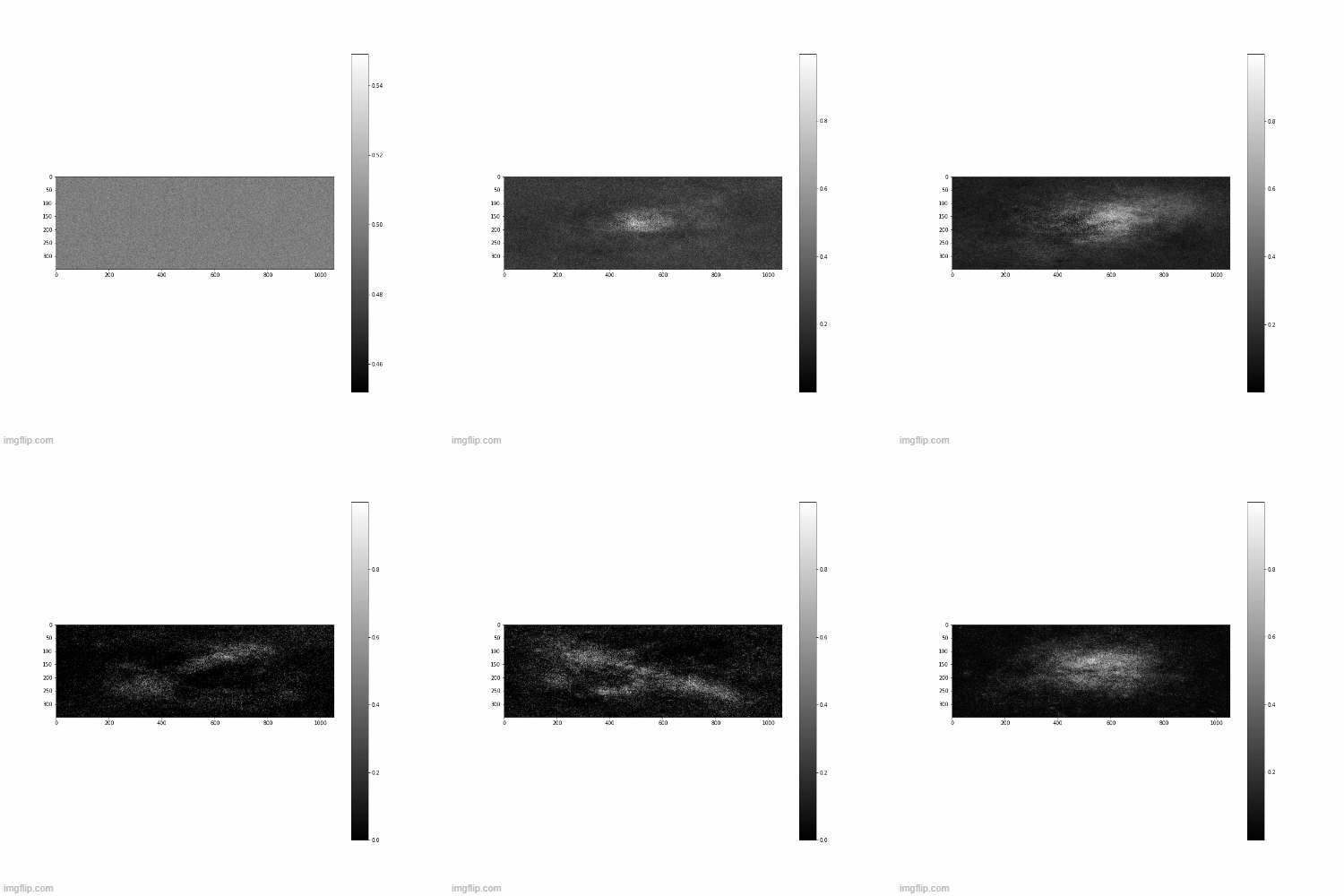
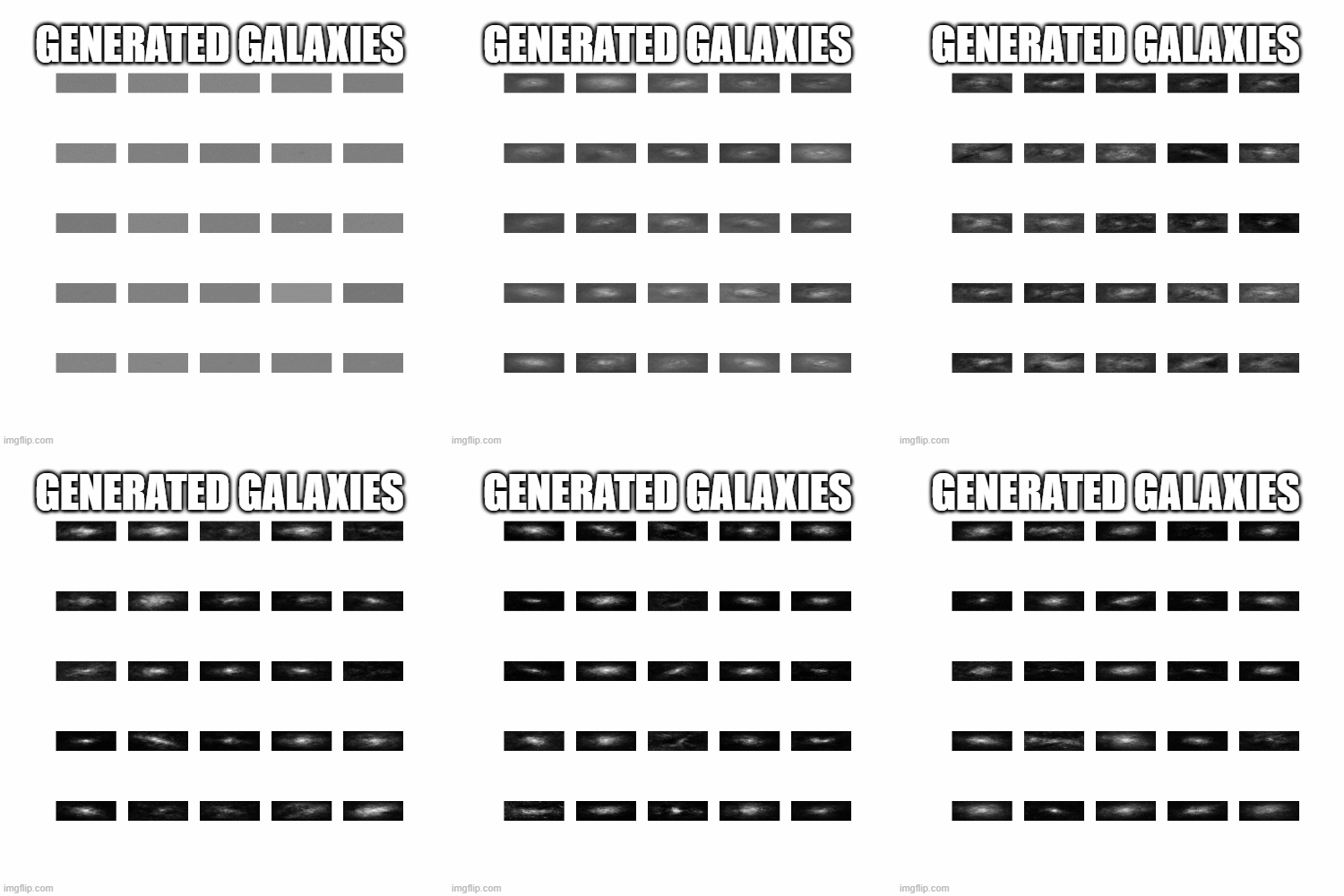
My main goal is to create a GAN for galaxies, specifically those in the Green Valley, which is the type of galaxy that I like the most. I have tried making my own images of galaxies but there is still lots of room for improvement, shown below. Though I have to admit this progress is acceptable. It LOOKS like it could be a high redshift galaxy, so that part is realistic. Though It would be much more amazing to recreate Hubble level images, but that may be too big of a goal. I haven’t learned all the techniques involved in create high resolution images, but I’ve started reading a book on GANS so hopefully I can learn more from it.
5d1hx4

As you can see above, the neural networks learn over time how to create convincing images of galaxies over time. This was over 12 hours of training, and it looked like I may have been plateauing. I need some more practice with something not as difficult.
Here is the link to the notebook to view

It’s a Start

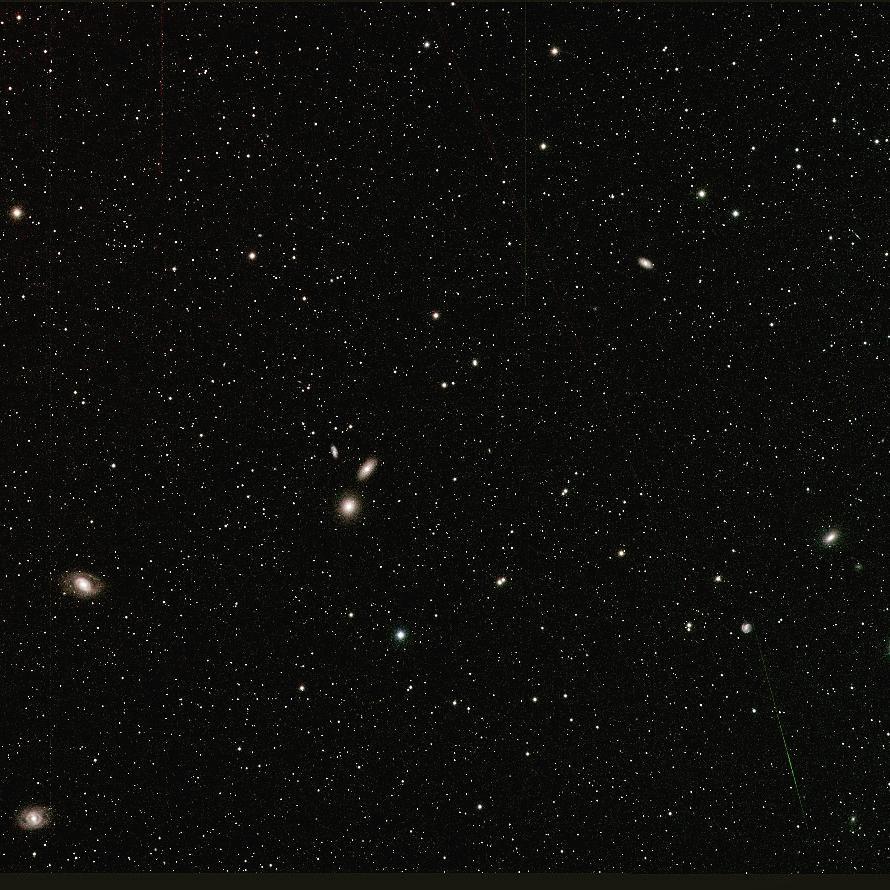
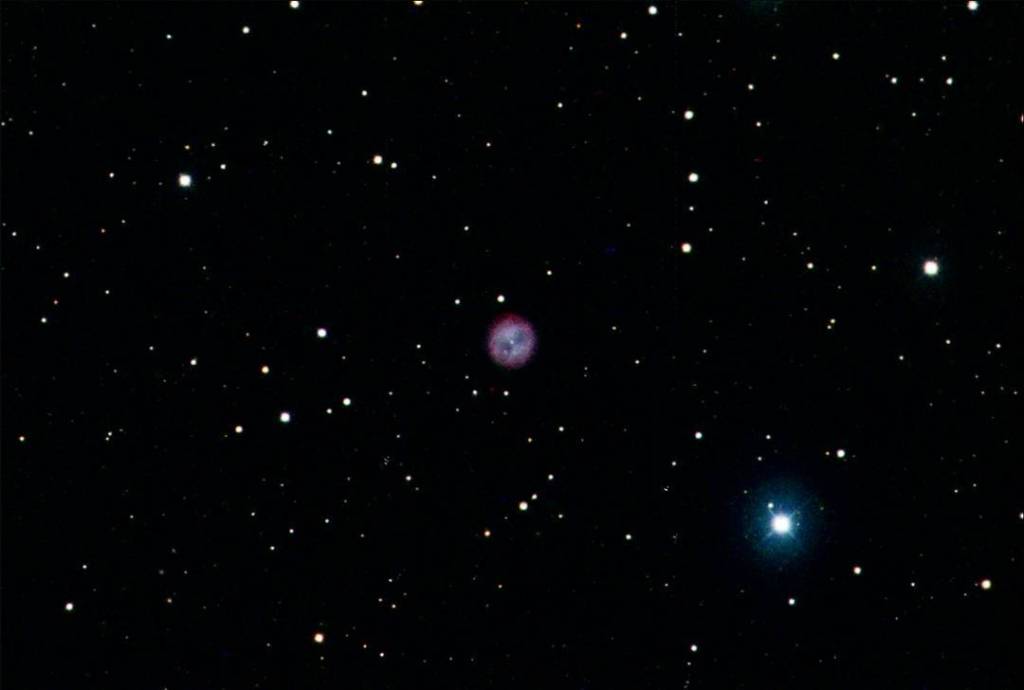
A couple years ago, I started an astrophotography Instagram page. I took some really nice pictures of some planetary nebula and galaxies/galaxy clusters. But I found out that it’s kind of expensive (especially if you’re using remote observatories) and I wasn’t really into it. I’m also more interested in doing research in Astronomy and not Astrophotography, so I decided to make a blog talking about topics in Astronomy that I am interested in.

I recently applied to work at the Space Telescope Science Institute (STScI) as a Science Support Analyst. I was looking at all the missions and projects and saw a mission that looked at Starburst galaxies called The Shocked POststarburst Galaxy Survey (SPOGS). Starburst galaxies are galaxies which show tremendous star formation, much more than what is considered “normal”. Learning more about this type of galaxy and what causes this phenomena could potentially be the next step in understanding galaxy evolution. I am really hoping to be selected, since I’m interested in green valley galaxies which are galaxies like Andromeda that lie in-between spirals and ellipticals in Color Magnitude Diagrams (CMD) like the one below. 

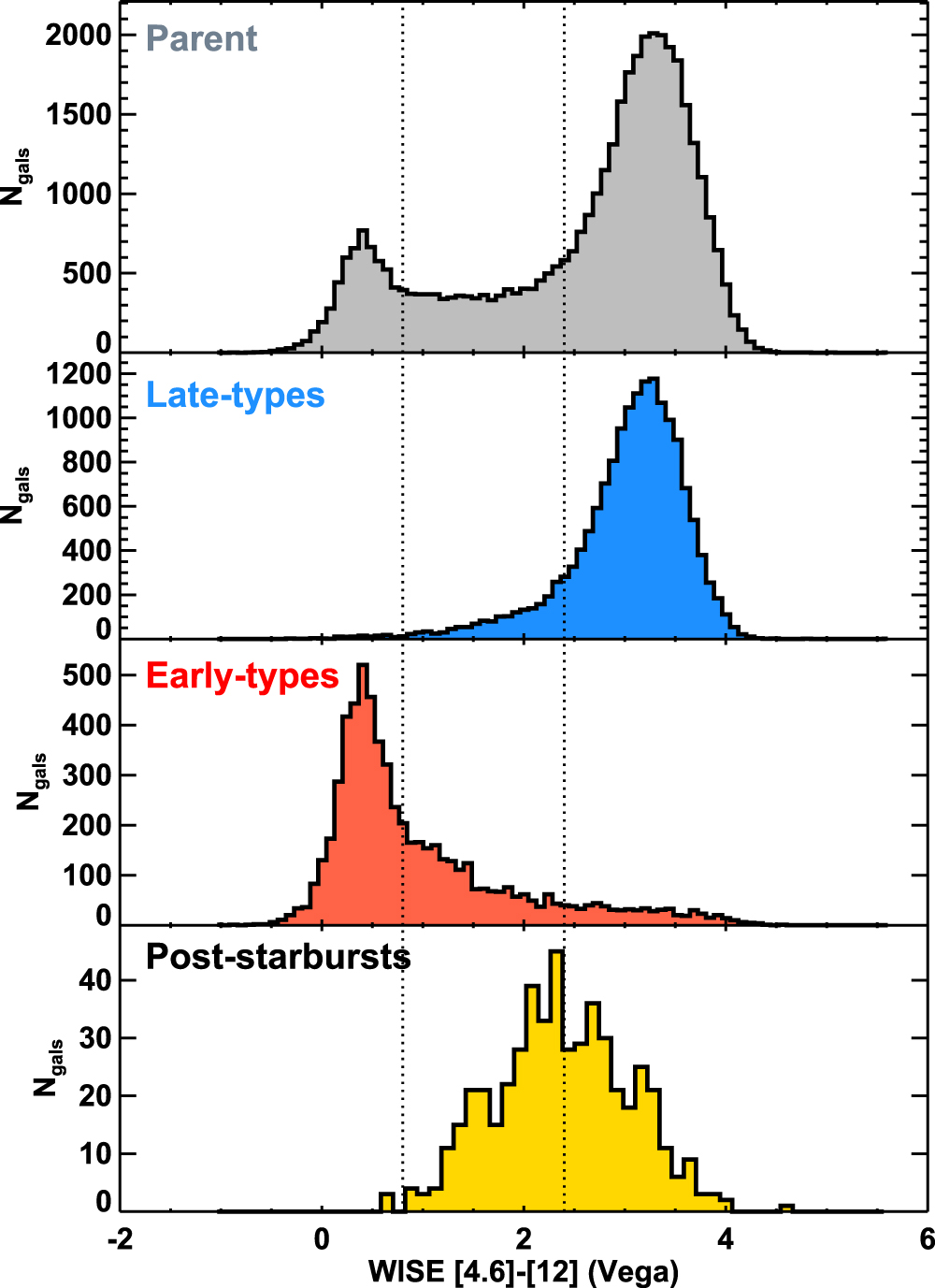
I’m reading a paper from the SPOGS team and going to try to see if I can recreate some plots, specifically this one showing the types of galaxies in the survey. A more thorough explanation on that all later.

plots

I’m excited to start to share my results of research and little snippets of code I write. I also plan to add some notes on Physics and Astronomy in the future, when I find time to write the notes I have in LaTeX, which is going to be a pain in the butt! Stay tuned.